

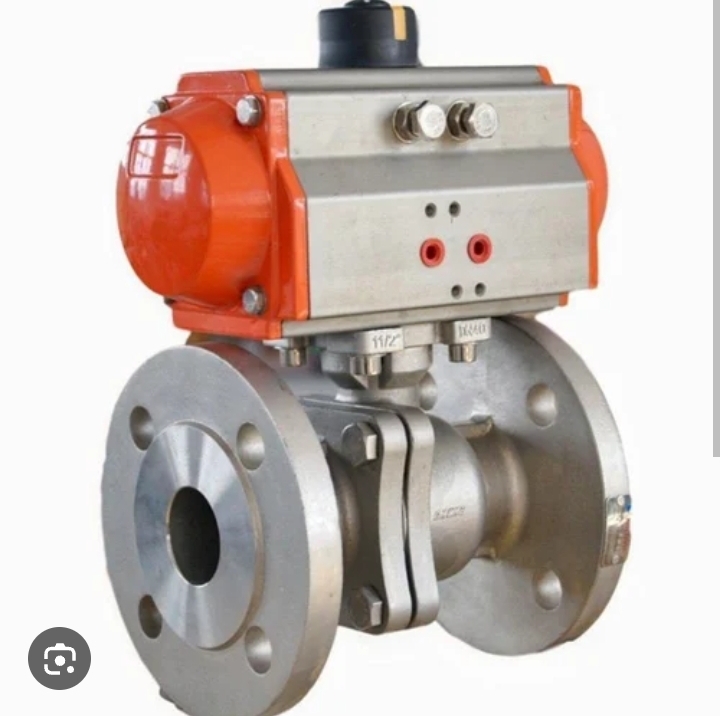
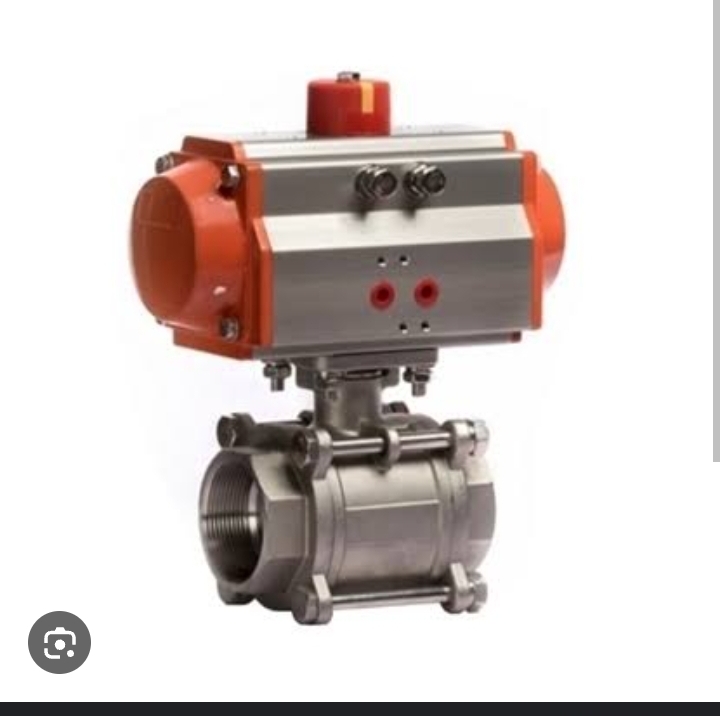
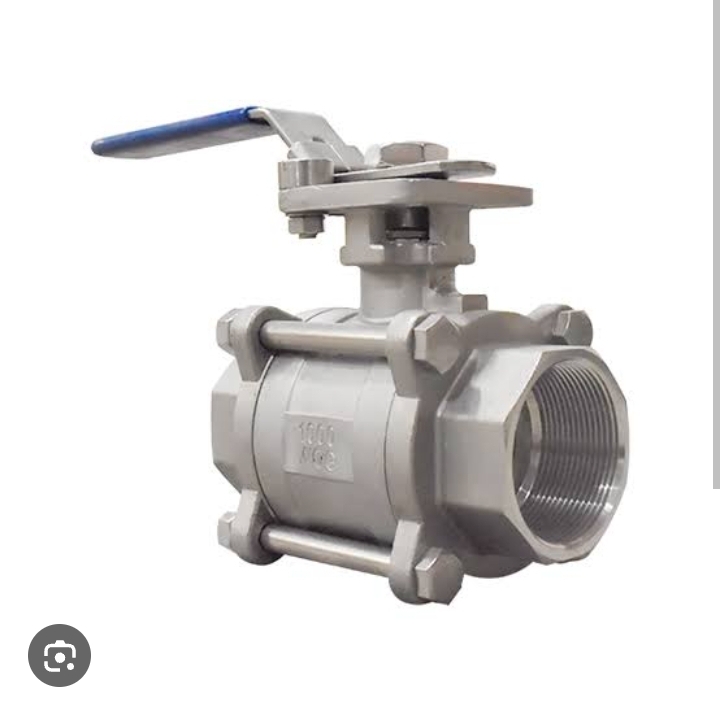
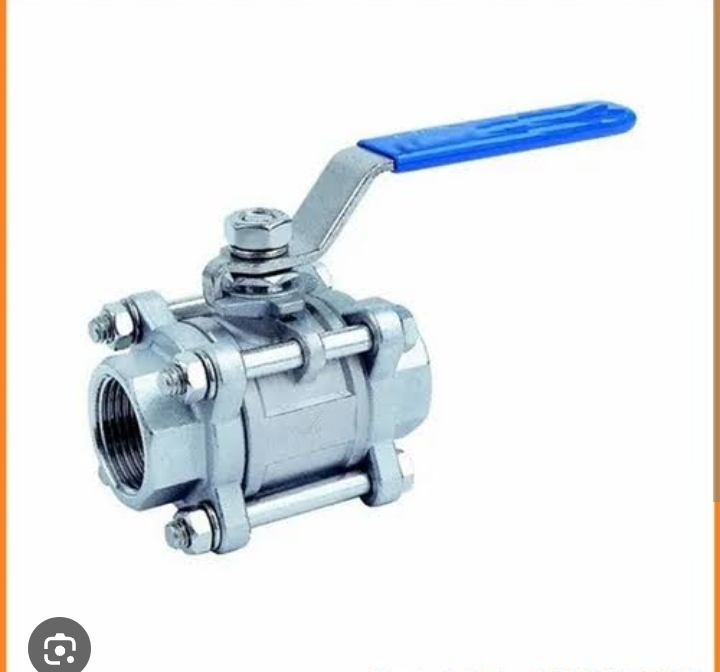
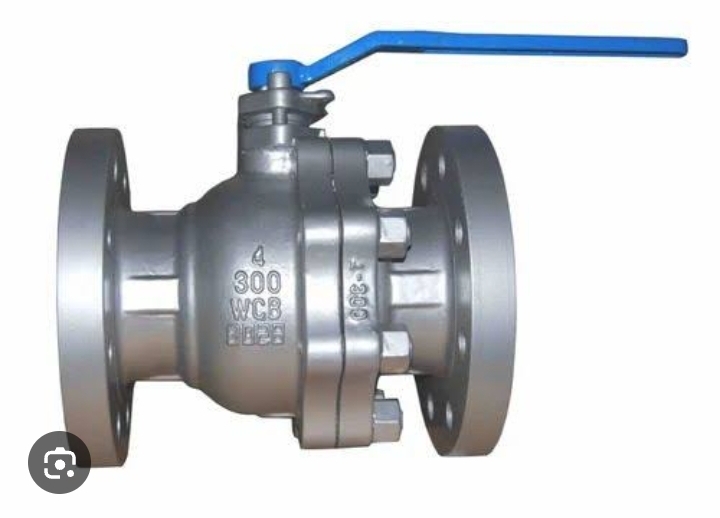


"ball valve" is a type of flow control device that uses a rotating ball with a hole to regulate the flow of liquids or gases, allowing the medium to pass through or blocking it with a quarter-turn.
Here's a more detailed explanation:
How it works:
The ball valve has a hollow, perforated ball that pivots within the valve body.
When the hole in the ball aligns with the inlet and outlet ports, the valve is open, and fluid can flow through.
When the ball is rotated 90 degrees, the hole is blocked, and the valve is closed, stopping the flow.
Common applications:
Ball valves are commonly used in plumbing systems, industrial cooling, and other applications where quick and reliable shut-off is needed.
They are also used to regulate the flow of gas, compressed air, and various liquids.
Types of Ball Valves
Full Port Ball Valves: The hole in the ball is the same diameter as the pipe, allowing for minimal pressure drop and maximum flow.
Reduced Port Ball Valves: The hole in the ball is smaller than the pipe, which is suitable for applications where pressure drop is not a concern.
3-Way Ball Valves: These valves have three ports and can be used to divert fluid flow in different directions.